
A single misplaced detail, perhaps a modern idiom uttered in a 1944 cockpit or a weapon that didn't exist until a decade after the armistice, can instantly shatter the fragile illusion of the past. You've likely felt that sting of disappointment when a promising story devolves into "Hollywood" theatrics. It's a common frustration for readers seeking historically accurate war novels that respect the intelligence of their audience. You deserve more than shallow caricatures and sanitized combat; you seek the heavy, unvarnished weight of history as it was truly lived.
This guide will show you how rigorous archival research and a dedication to scholarly storytelling transform military fiction into a cinematic, immersive experience. By understanding the methodology that bridges the gap between dry facts and evocative narrative, you'll discover how authors honor the gravity of the past without sacrificing dramatic urgency. We'll explore the hallmarks of books that function as genuine time machines, moving beyond the surface to engage with the complex, often contradictory figures who shaped our world.
Key Takeaways
- Understand that true historical accuracy encompasses not just dates, but the social mores and technical realities that define an era's atmosphere.
- Learn how the transition from archival research to narrative prose creates a sense of psychological safety, allowing readers to fully inhabit the past.
- Identify the hallmarks of historically accurate war novels by prioritizing the sobering reality of attrition and fear over sanitized cinematic tropes.
- Explore how primary sources like personal diaries and military manuals bridge the gap between academic history and cinematic fiction.
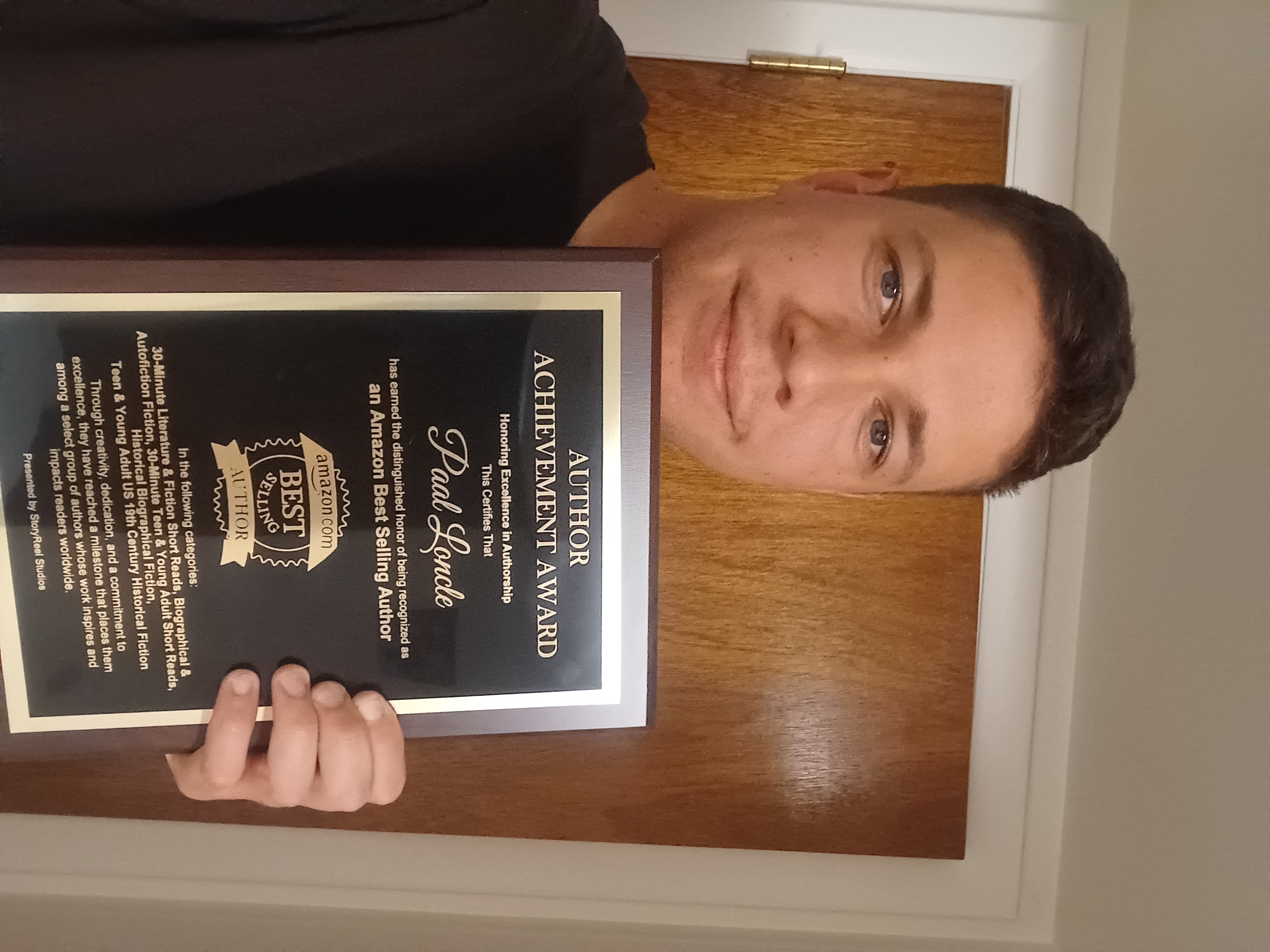
- See how the principles of scholarly storytelling are applied to the Battle of the Bulge and the American West in the novels of Paal Loncle.
Defining the Essence of Historically Accurate War Novels
To write about conflict is to step into a cemetery and attempt to give voice to the silent. It's a heavy responsibility that demands more than a passing familiarity with the timeline of events. For those who seek historically accurate war novels, the appeal lies in the meticulous alignment of technology, social mores, and the brutal reality of the front lines. This isn't merely about getting the dates right. It's about a deep-seated respect for the human spirit under duress. Historiographical integrity in war novels is the unwavering commitment to representing the past through the lens of verifiable evidence and established historical discourse, ensuring that the narrative architecture rests upon a foundation of truth rather than convenient myth. This standard separates a fleeting entertainment from a work that preserves historical memory.
The Difference Between Accuracy and Authenticity
A novelist can record every caliber of ammunition used during a siege and still fail to capture the essence of the conflict. Accuracy refers to the cold, verifiable facts found in after-action reports and technical manuals. Authenticity is the emotional resonance of those facts. It's the way a soldier speaks to his superior, the specific psychological weight of a looming engagement, and the cultural prejudices of the era. Within the broader historical fiction genre, a single anachronism acts like a crack in a lens. It shatters the reader's suspension of disbelief instantly. When a character in the 1870s uses a phrase coined in the late 20th century, the connection to the past is severed. The scholarly storyteller must balance these two pillars to ensure the story feels as real as it is correct.
Why the Setting is a Character in Military Fiction
In the theater of war, geography is never neutral. It is an active, often hostile participant. Whether it's the suffocating dust of the American frontier or the bone-chilling damp of the Ardennes, the environment dictates the limits of human endurance. Consider the "Weight of Winter" during the Battle of the Bulge. The cold was not just a backdrop; it was a narrative force that jammed rifles, claimed limbs, and shaped the strategic desperation of both sides. Historically accurate war novels treat the terrain with the same complexity as a protagonist. They recognize that the mud of Passchendaele or the thin air above Germany were just as lethal as any bullet. By grounding the narrative in these physical truths, the author invites the reader to experience the past with cinematic urgency.
The Scholarly Storyteller’s Craft: Bridging Research and Narrative
The path from a dusty archive to a gripping manuscript is paved with thousands of small, verifiable truths. For a writer of historically accurate war novels, the process begins long before the first word is typed. It starts with the interrogation of primary sources. Military records provide the skeletal structure of events, but they're often devoid of the human pulse. To find that, one must turn to personal diaries and yellowed letters. These documents reveal the internal struggle of men facing the unthinkable. They provide the texture of fear, the smell of cordite, and the specific cadence of period dialogue. This methodology ensures that the narrative rests on a foundation of reality.
From Archives to Atmosphere
A professional background in education instills a specific discipline into the creative process. It's about more than just data collection; it's about structural integrity. When writing about the 19th-century US Cavalry or the air war over Europe, the author must source the soul of the era. Letters from the front lines often discuss the mundane, such as the quality of coffee or the ache for home, as much as the combat itself. These details are the mortar between the bricks of historical fact. They allow the reader to feel the importance of historical accuracy through emotional resonance rather than just a list of names. It turns a dry report into a living memory.
The Technical Precision of Warfare
True immersion requires an almost obsessive attention to mechanical detail. If a pilot is flying a P-47 Thunderbolt, the reader should understand the specific torque of the engine and the claustrophobia of the cockpit. In the context of 19th-century cavalry, the narrative must reflect the actual limitations of the horses and the specific tactics of the frontier. This technical rigor honors the gravity of the past. It prevents the story from drifting into the realm of fantasy.
- Archival after-action reports for tactical movements.
- Technical manuals for weapon reliability and maintenance.
- Topographical maps to verify line-of-sight during engagements.
Every historical record has gaps. The challenge lies in filling these silences with plausible, evidence-based fiction that doesn't contradict the known truth. This is the delicate balance of the scholarly storyteller. You can see this methodology in action by exploring the stories of the American frontier and WWII, where every narrative choice is anchored in deep research. By getting the small things right, we pay tribute to the veterans who lived through these moments. It ensures the story remains grounded in reality even when the plot takes on a cinematic urgency.
Myth vs. Reality: Debunking Common Tropes in Military Fiction
Popular culture often sanitizes the past, polishing the jagged edges of conflict into a digestible, heroic narrative. For readers of historically accurate war novels, these distortions are more than just creative license; they're a disservice to those who endured the reality. The trope of the "invincible hero" is perhaps the most pervasive. In truth, war is defined by attrition, where survival is often a matter of chance rather than skill. Fear isn't a momentary obstacle but a constant, suffocating presence that dictates every decision. Technical anachronisms, such as weapons appearing years before their historical debut, further erode the trust between author and reader. This intellectual rigor is what separates a profound historical drama from a superficial action story.
The 'Hollywood' Effect in Combat Scenes
Cinematic depictions often favor constant explosions and "Rambo" tactics that bear little resemblance to the grinding, confusing nature of actual engagements. Real battles are frequently slower, marked by long periods of agonizing tension punctuated by bursts of chaotic violence. In The Ugly Skies on New Years, air warfare is depicted as a grueling struggle against cold, mechanical failure, and the sheer terror of flak. The psychological toll is heavy. It's a weight that characters carry long after the guns fall silent.
Deconstructing the Myth of the Flawless Leader
History rarely offers us figures of unalloyed virtue. George Armstrong Custer is a prime example. In Custer: The Last Cavalier, the narrative moves beyond the "Last Stand" caricature to explore a man of profound ambition and human error. The burden of command is a crushing pressure that often leads to catastrophic mistakes. The notion of an uncomplicated military victory is a fiction that ignores the chaotic interplay of logistics, morale, and the fog of war.
By stripping away these tropes, we find a past that is far more compelling because it's human. We replace the invincible with the vulnerable. We trade the sanitized explosion for the visceral reality of the front line. This dedication to depth ensures that historically accurate war novels serve as a bridge to the truth rather than a flight of fancy. It's a commitment to the gravity of the past that honors the complexity of the human spirit. When we embrace the messiness of history, we finally begin to see the people behind the uniforms.

Why Historical Precision is the Key to Reader Immersion
The reader's mind is a vigilant gatekeeper. When engaging with historically accurate war novels, that gatekeeper is constantly searching for the slightest inconsistency that might break the spell of the narrative. Precision is not a dry academic exercise. It is the engine of immersion. When a writer masters the technicalities of the era, the reader finally feels a sense of psychological safety. They can stop fact-checking and start feeling. This trust allows for a deeper exploration of human ambition and failure, as the stakes are no longer abstract. They're grounded in a reality that actually existed. The intellectual satisfaction of learning the nuances of the past while being swept away by a cinematic plot creates a unique, enduring value that fleeting thrillers cannot replicate.
Emotional Resonance Through Factual Rigor
True immersion is found in the smallest, most sobering details. Consider the somber reality of the Battle of the Bulge. It isn't enough to describe the snow. A scholarly storyteller describes the specific, bone-deep ache caused by the weight of a water-logged wool overcoat or the meager comfort of frozen rations. These specificities ground the reader in the moment with a cinematic urgency. This reflective nature of historical fiction allows us to see the past not as a distant myth, but as a mirror. It asks what the struggles of 1944 or the 19th-century frontier reveal about our own nature today. By anchoring the story in factual rigor, the emotional stakes become undeniable. We don't just observe the conflict; we inhabit it.
How Accuracy Builds Trust with the Reader
Discerning readers of military fiction are among the most knowledgeable and demanding audiences in literature. They've studied the maps and memorized the technical manuals. To reach them, the author must act as a seasoned guide through the complex nuances of the past. When an author demonstrates a command of cavalry tactics or the mechanical limits of a fighter plane, they earn the right to lead the reader into the darker, more philosophical corners of the human experience. This relationship is built on a foundation of respect for the intelligence of the audience. It transforms the book from a simple story into a genuine time machine.
- Accuracy eliminates the "distraction of doubt," allowing for total narrative absorption.
- Rigorous research provides the "texture of truth" that makes fictional characters feel like historical figures.
- Historical precision honors the gravity of the events, preventing the story from feeling exploitative or shallow.
The pursuit of truth between the lines is what gives a story its lasting power. If you're ready to experience the past through a lens of scholarly storytelling and cinematic atmosphere, you can explore the historically accurate war novels of Paal Loncle. By choosing works that value depth over superficiality, you engage with history in its most visceral and honest form. Precision is the key that unlocks the past, and once that door is open, the experience is unforgettable.
Experiencing the Front Lines Through the Works of Paal Loncle
History is a vast, often silent landscape that requires a specific kind of stewardship to bring to life. For readers who demand historically accurate war novels, the work of Paal Loncle represents a convergence of academic discipline and narrative flair. This approach, defined as scholarly storytelling, moves beyond the surface of dates and names to inhabit the psychological reality of the past. It's a commitment to the human spirit as it was tested in the crucible of conflict, whether in the frozen forests of the Ardennes or the dusty expanses of the American frontier. By grounding every narrative choice in archival rigor, these stories offer a bridge to a world that was as complex and high-stakes as our own.
Taking Flight in 'The Ugly Skies on New Years'
The air war over Europe in 1945 was a theater of mechanical desperation and staggering courage. In The Ugly Skies on New Years, the Battle of the Bulge is not just a backdrop; it's a living, breathing force that dictates the limits of human endurance. The novel provides an atmospheric depiction of air warfare that prioritizes technical precision and historical context. Every cockpit detail and tactical maneuver is a fact-based exploration of the era, allowing the reader to experience a pilot's internal struggle with cinematic urgency. It's a somber reflection on penance and duty, stripped of the sanitized heroics often found in popular fiction. The result is a story that honors the gravity of the past through its refusal to look away from the visceral reality of combat.
Reevaluating Legend in 'Custer: The Last Cavalier'
Few figures in the American story are as shrouded in myth as George Armstrong Custer. To depict the 19th-century US Cavalry accurately, one must dismantle the caricatures and find the man beneath the legend. Custer: The Last Cavalier offers a dignified and reflective look at this controversial figure, grounded in meticulous research into frontier tactics and the social mores of the era. It's a narrative that explores the weight of ambition and the frequency of human error without succumbing to the "Last Cavalier" trope. By examining the nuances of command and the brutal reality of the frontier, the novel invites the reader to engage with a complex historical figure on a deeply human level.
- Experience the chilling mechanical reality of WWII air combat.
- Dismantle the myths of the American Frontier through evidence-based narrative.
- Understand the methodology behind the stories through professional Author Talks and Events.
The journey through history doesn't end with the final page. By engaging with Author Talks and Events, you can go behind the scenes of the research process and explore the archival sources that inform these works. This is an invitation to look between the lines of the historical record and discover the truths that define our collective memory. When we choose to engage with the past through a lens of integrity and depth, we don't just learn about history. We begin to understand the enduring nature of the human spirit in the face of overwhelming odds.
Unlocking the Authentic Voice of History
True immersion in the past requires more than a mere recitation of dates. It demands a commitment to the technical precision and emotional gravity that only historically accurate war novels can provide. By dismantling common tropes and anchoring narrative choices in archival research, we honor the complexity of those who lived through the world's most defining conflicts. Whether it's the claustrophobic cockpit of a fighter plane or the vast, unforgiving frontier, the pursuit of truth ensures that the story remains a respectful tribute to the human spirit.
Paal Loncle brings his expertise in 19th-century and WWII history to every page, blending the rigor of an educator with the flair of a novelist. From the atmospheric air warfare in The Ugly Skies on New Years to the nuanced deconstruction of a legend in Custer: The Last Cavalier, these works invite you to see the past with new clarity. You're invited to move beyond the surface and engage with history in its most visceral form. Step into the past with Paal Loncle's historically accurate novels and discover the stories that lie between the lines of the official record. The past is waiting to be rediscovered.
Frequently Asked Questions
What makes a war novel historically accurate?
A war novel achieves historical accuracy through the precise alignment of its narrative with verifiable events, period-specific technology, and the social mores of the era. It requires an unwavering commitment to truth that extends beyond a simple timeline. This includes the technical limitations of weaponry and the psychological motivations of the people involved. Every detail must respect the intelligence of the reader and the gravity of the past.
Is historical fiction a reliable way to learn about military history?
Historical fiction serves as a powerful gateway to the past by providing the emotional context that academic texts often omit. While it shouldn't replace primary source research, historically accurate war novels offer a visceral sense of atmosphere and human struggle. They make the cold statistics of conflict feel real, allowing readers to inhabit the past through a cinematic and deeply reflective lens.
How do authors research WWII air warfare for their books?
Researching air warfare involves a deep dive into technical flight manuals, after-action reports, and the personal diaries of the pilots themselves. Understanding the mechanical torque of a P-47 Thunderbolt or the specific atmospheric conditions over the Ardennes in 1944 is essential. This methodology ensures the story remains grounded in reality, providing a sense of dramatic urgency that honors the veterans' actual experiences.
What is the difference between military history and historically accurate fiction?
Military history focuses on the objective analysis of strategy, logistics, and data to explain the outcomes of conflicts. Historically accurate fiction uses those same facts as a skeletal structure, but it adds the muscle and skin of narrative. This allows the author to explore the internal struggle of individuals, turning dry reports into an immersive experience that resonates on a human level.
Can a war novel be accurate if the main characters are fictional?
Fictional characters often provide the most effective lens for exploring historical truth because they can act as witnesses to multiple facets of a conflict. As long as their actions, dialogue, and motivations remain within the boundaries of what was plausible for the era, they enhance the reader's connection to the past. They provide a bridge to the truth without distorting the documented historical record.
Why is the Battle of the Bulge such a popular setting for accurate war novels?
The Battle of the Bulge offers a convergence of extreme environmental conditions, desperate strategic stakes, and a wealth of documented personal accounts. Its "Weight of Winter" creates a natural dramatic tension that tests the limits of human endurance. This makes it fertile ground for stories that prioritize gritty, unvarnished realism and explore the somber reality of attrition and fear on the front lines.
How do authors handle controversial historical figures like Custer?
Approaching figures like George Armstrong Custer requires a dignified and reflective lens that moves beyond simple caricatures. By examining primary sources and contemporary accounts, an author can depict the man's profound ambitions and human errors. This offers a more complex and honest portrayal than popular myths usually allow, finding the man beneath the legend through scholarly storytelling and rigorous research.
What are the most common historical mistakes in war movies and books?
The most frequent errors include modern idioms used in period settings, "Hollywood" combat tactics that ignore the reality of attrition, and technical anachronisms like weapons appearing years before their invention. These mistakes shatter the reader's suspension of disbelief instantly. They fail to honor the complexity of the past, trading the texture of truth for superficial action that lacks genuine historical or emotional depth.


