
A single anachronism in dialogue or a misplaced piece of technology can instantly shatter the delicate illusion of a historical world. For the serious student of the past, there is nothing more frustrating than a narrative that sacrifices factual integrity for the sake of a melodramatic plot. You seek more than just a background setting; you want the visceral reality of the era, where the stakes are high and the human spirit is tested by authentic conflict. Finding high-quality historical fiction for history lovers often feels like a search for a rare artifact in a sea of oversimplified figures and historical fluff.
It is entirely possible for scholarly research and cinematic storytelling to converge into a single, immersive experience. You deserve a story that respects the complexities of figures like George Armstrong Custer or the brutal conditions of the winter of 1945 without resorting to modern tropes. This exploration will show you how to find authors who share your dedication to rigor. We will examine how cinematic prose can transform dry facts into a journey that feels like genuine time travel, satisfying the intellect while stirring the soul.
Key Takeaways
- Distinguish between standard narratives and historical fiction for history lovers by identifying works that prioritize archival integrity over modern tropes.
- Recognize the "uncanny valley" of historical writing, where minor inaccuracies in technology or dialogue can instantly shatter a reader's immersion.
- Learn how primary documents, such as military orders and personal diaries, serve as the foundation for authentic character voices and cinematic action.
- Utilize a professional checklist to scrutinize an author's scholarly background and the linguistic authenticity of their prose before committing to a series.
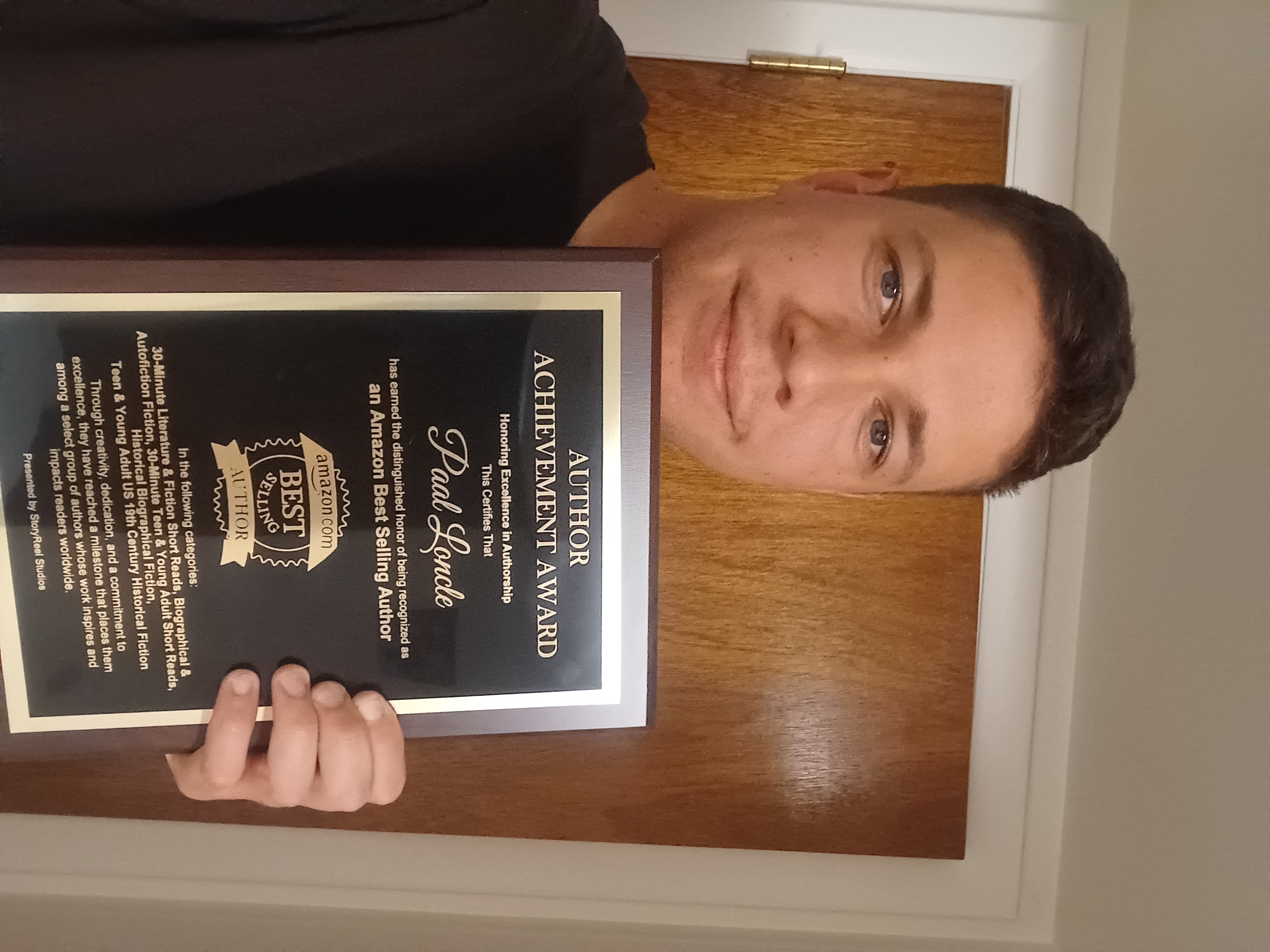
- Explore how Paal Loncle’s novels synthesize educational expertise with the high stakes of historical conflict to create a true "time travel" experience.
The History Lover's Dilemma: Finding Truth Within the Narrative Arc
The global books market is projected to reach $162.6 billion in 2026. Within this vast landscape, fiction remains the dominant force, and the historical fiction genre stands firmly as the third most popular category worldwide. However, for the true enthusiast, many of these offerings feel hollow. Historical fiction for history lovers is a distinct sub-genre that prioritizes archival integrity and atmospheric depth over superficial tropes. It's a field where the weight of a period-accurate sidearm or the specific social etiquette of a Victorian parlor isn't just window dressing. These details are the foundation of the story itself.
History buffs often find themselves trapped in the "uncanny valley" of historical writing. This occurs when a narrative is almost accurate, but small, jarring errors ruin the reader's immersion. A character using a phrase that didn't exist for another fifty years or a soldier wielding a weapon not yet in production can shatter the illusion instantly. The most demanding readers don't want modern sensibilities dressed in old clothes. They want to understand the internal struggle of figures who operated under entirely different moral and social codes. This audience is difficult to satisfy, yet they are the most rewarding. They notice the research. They value the truth.
The Difference Between Costume Drama and Immersive History
A costume drama uses the past as a convenient stage for modern drama. In contrast, immersive history seeks the "historical soul." You can tell the difference by the presence of primary sources. A novelist who has pored over 19th-century cavalry orders or WWII flight logs doesn't just describe a battle; they explain the "why" behind the "what." They capture the specific anxieties of a pilot over the Ardennes or the complex ambitions of a frontier officer. For the history lover, the fascination lies in the intersection of human nature and the rigid constraints of a specific era. This depth transforms a book from a simple story into a vehicle for genuine time travel.
Fact vs. Fiction: The Sacred Boundary
There is a sacred boundary in this genre that must not be crossed. While a novelist can, and should, take liberties with a character's internal thoughts or private conversations, they cannot alter the established facts. Dates, technology, and major historical outcomes are unmovable pillars. The author has a profound responsibility to respect these boundaries, often evidenced by a detailed author's note or bibliography. The contract between the historical novelist and the history lover is a silent vow that while the dialogue is imagined, the world in which it is spoken remains unassailable. This commitment to rigor ensures that the narrative arc never bends the truth out of shape.
The Anatomy of Immersion: How Research Transforms Fiction into Time Travel
True immersion in a historical world requires more than a passing familiarity with dates. It demands a methodology that bridges the gap between the archival record and the narrative arc. This is the hallmark of the "Scholarly Storyteller," an approach where the novelist adopts the rigor of an educator to ensure every sentence carries the weight of authenticity. For those seeking historical fiction for history lovers, the pleasure lies in discovering a writer who has done the heavy lifting, allowing the reader to inhabit the past without the constant fear of a factual stumble. This process begins long before the first chapter is written, rooted in the meticulous study of primary sources that provide the "soul" of the story.
The Role of the Educator-Author
A background in education provides a unique lens for historical storytelling. It fosters a deep understanding of causality, the complex web of "why" that drives human events. When an author transitions from the classroom to the page, they don't simply recount facts. They dramatize the internal struggles of figures who lived through pivotal moments. This expertise is often shared beyond the book, through structured Author Talks and Events that offer schools and organizations a deeper dive into the research process. By treating the past with the dignity of a student and the passion of a creator, the educator-author ensures that the narrative remains intellectually grounded.
Technical Accuracy in Military Fiction
In military narratives, the difference between a good story and a great one often comes down to technical precision. Whether it is the specific layout of a P-38 Lightning cockpit or the logistical constraints of 19th-century cavalry movements, these details matter to the discerning history buff. This level of scrutiny requires a robust framework for evaluating historical accuracy, ensuring that the technology and tactics of the era are portrayed with absolute fidelity. Tactical accuracy in war novels ensures that the reader experiences the friction and fog of combat as it was truly felt by those on the front lines. It's not just about the machines; it's about the reality of the men who operated them.
Capturing the chilling memory of the Battle of the Bulge or the dusty reality of the American frontier requires atmospheric research. It involves using evocative verbs and cinematic pacing to reflect the high stakes of historical conflict. By sourcing dialogue from flight logs, personal diaries, and official orders, a novelist can recreate the linguistic rhythm of the past. This commitment to detail transforms the reading experience into a visceral journey. If you are tired of "fluff" and seek a narrative that honors the complexity of history, you can explore these worlds further through the cinematic historical novels of Paal Loncle. Each work is a testament to the belief that truth and storytelling are not mutually exclusive, but rather, two sides of the same storied coin.
From the Cockpit to the Cavalry: Exploring Specific Historical Theatres
The allure of historical fiction for history lovers often rests in the author's ability to recreate a specific, high-stakes environment where every detail rings true. It isn't enough to simply mention a battle; the reader must feel the vibration of the engine and the bite of the frost. When exploring the air war over Europe or the dusty expanses of the American West, the narrative must move beyond the surface of dates and names. It must delve into the psychological landscape of the men who stood at the center of these storms. This theater-specific approach allows for a deeper examination of ambition, failure, and the sheer weight of command in moments of extreme crisis. Authenticity is the only currency that matters here.
The Air War: Echoes in the Clouds
The Battle of the Bulge remains a chilling memory for historians, not only for the tactical desperation of the German offensive but for the brutal conditions endured by those in the air. For a young pilot in the winter of 1945, the cockpit was a place of isolation and intense pressure. The psychological toll of navigating through treacherous conditions while managing the complexities of a P-38 Lightning was immense. It was a war of endurance as much as it was one of dogfights. This era is vividly explored in The Ugly Skies on New Years, where the focus shifts from grand strategy to the visceral, internal experience of the individual airman. By centering the story on these authentic struggles, the narrative honors the reality of the air war without the sanitization often found in mainstream fiction. The sky was never just a backdrop; it was a character in itself.
The Frontier: Shadows of the US Cavalry
Transitioning from the frozen Ardennes to the sun-scorched plains of the 19th-century frontier reveals a different kind of atmospheric tension. The American Frontier is often shrouded in the 'Last Cavalier' trope, a romanticized vision that frequently obscures the gritty reality of military life. Central to this era is the controversial legacy of George Armstrong Custer and the enduring debate surrounding the Little Bighorn. To move beyond the caricature, one must look at the nuances of Custer's ambition and the logistical realities of the US Cavalry. The novel Custer: The Last Cavalier, published on January 31, 2026, seeks to explore these complexities by grounding the narrative in archival research. It examines the "Silent Watch" of the frontier through a cinematic lens, providing a space where history buffs can engage with the human spirit’s darker, more complicated facets. This commitment to depth ensures that even the most familiar historical figures are rendered with the dignity and complexity they deserve. The frontier was not a place of simple heroes, but of men driven by a restless, often dangerous, spirit.

The History Buff's Checklist: Evaluating Historical Accuracy in Fiction
The discerning reader understands that the label of "historical" is often applied too liberally in the modern book market. For those who have spent years studying specific conflicts or eras, a novel is more than a diversion; it is an intellectual engagement. The standard for historical fiction for history lovers must be significantly higher than that of a standard bestseller. To ensure a narrative respects the past, you must look beyond the cover art and scrutinize the foundation upon which the story is built. A truly immersive work doesn't just get the dates right. It captures the very essence of a lost world through meticulous attention to detail and a refusal to compromise on the truth.
Before committing your time to a new series, consider these essential criteria for evaluating accuracy:
- The Author’s Foundation: Does the writer possess a scholarly or educational background? An author who has worked as an educator or a researcher often brings a level of rigor that prevents the "uncanny valley" effect mentioned earlier.
- Linguistic Authenticity: Pay close attention to the dialogue in sample chapters. If the characters speak with the cadences and slang of the 21st century, the immersion is already lost.
- Material Culture: The "small things" matter. Period-correct weapons, clothing textures, and the rigid social norms of the era should be woven into the plot, not just added as an afterthought.
- Complexity of Figures: Real historical figures should never be rendered as one-dimensional heroes or villains. They were complex, often flawed human beings driven by ambitions that may seem alien to us today.
Spotting Anachronisms Before You Buy
Red flags often appear as early as the book description. If a blurb focuses heavily on modern psychological tropes or "relatable" social dynamics that didn't exist in the 19th century, proceed with caution. This is the "Modern Sensibility" trap. Many authors project contemporary values onto the past to make characters more palatable to a general audience. However, for the history buff, this feels like a betrayal. A historically accurate label should be earned through the visible use of primary sources, not just claimed for marketing purposes. If the trailer or description feels too polished and lacks the grit of archival reality, it likely lacks the historical soul you seek.
Seeking the Underrated and Independent
Mainstream publishing frequently demands that authors soften the edges of history to ensure broad marketability. This is why independent authors often provide the most satisfying experiences for serious students of the past. These writers take greater risks with accuracy and explore niche military theaters that larger houses might overlook. There is immense value in supporting authors who don't just write books but also engage the public through educational Author Talks and Events. These creators are often more committed to the "why" of history than the "what" of a bestseller list. If you're ready to move beyond the fluff and experience narratives built on genuine scholarly rigor, explore the historical novels of Paal Loncle and discover the difference that professional expertise makes.
The Scholarly Storyteller: Discovering the Historical Novels of Paal Loncle
The true synthesis of history and art requires a writer who is as much a student of the archive as they are a creator of prose. Paal Loncle embodies this rare confluence. His work represents a departure from the superficial, offering a profound depth that only a professional educator can provide. By merging the rigor of historical research with a cinematic narrative style, he crafts historical fiction for history lovers that stands as a testament to the complexity of the human spirit. These stories don't merely recount events; they breathe life into the silent records of the past, inviting the reader to stand in the shadows of giants and the common soldier alike.
In his second novel, The Ugly Skies on New Years, Loncle captures the oppressive weight of the winter of 1945. The narrative plunges the reader into the cockpit of a P-38 Lightning during the Battle of the Bulge, where the biting cold was as dangerous as the enemy fire. It is a visceral exploration of the air war, built on the specific details found in flight logs and archival sources. Similarly, Custer: The Last Cavalier, published on January 31, 2026, delves into the frontier soul. It re-examines the controversial legacy of George Armstrong Custer, moving past the "Last Cavalier" trope to find the complex, ambitious, and often flawed man beneath the uniform. These works are designed for those who seek a "dialogue of eras" rather than a simple distraction.
Beyond the Page: Author Events and Speaking
The commitment to historical truth extends far beyond the final chapter of a novel. Paal Loncle utilizes his extensive background as an educator to bring history to life for schools, libraries, and professional organizations. Through structured Author Talks and Events, he shares the methodology of his research and the stories that didn't make it into the history books. These sessions serve as a vital tool for both educators and history lovers, fostering a deeper engagement with the causality of the past. Booking inquiries are welcomed for those who wish to bring a scholarly storyteller to their next event, ensuring that the lessons of history remain vibrant and relevant for a new generation.
Your Next Immersive Read
Finding a book that respects your intelligence and your passion for the past is a rare discovery. The historical novels of Paal Loncle satisfy the soul by refusing to compromise on accuracy or atmospheric scale. From the high-stakes conflict of the European theater to the restless expansion of the American West, these stories offer a bridge to a world that feels entirely authentic. You are invited to explore the cinematic trailers and deep-dive research available on the official site. Join the community of readers who value depth over fluff and rigor over convenience. It's time to Explore Paal Loncle's Historical Novels and experience the past as it was truly lived.
Reclaiming the Past Through Authentic Narrative
The search for a story that honors the gravity of the past requires more than a casual glance at the bestseller lists. It demands a commitment to archival truth and an authorial voice that refuses to simplify the complexities of the human spirit. By applying a rigorous checklist and prioritizing tactical accuracy, you can navigate the sea of historical fluff to find narratives that resonate with genuine intellectual depth. These stories don't merely decorate the past; they inhabit it with a dignity that respects both the subject and the reader.
When you choose historical fiction for history lovers, you engage in a meticulously researched dialogue with the eras that shaped our world. Paal Loncle, a professional educator and historian, crafts these immersive experiences by blending scholarly rigor with a cinematic lens. His novels are available through major book retailers, and you can preview the intensity of these conflicts through cinematic book trailers for every title on his official site. Discover Immersive Historical Fiction by Paal Loncle and step into the cockpit or onto the frontier plains with the confidence that the world you inhabit is built on the unshakeable foundation of truth. Your journey back to history's soul begins here.
Frequently Asked Questions
What makes a novel 'historically accurate' for a history lover?
Historical accuracy requires a commitment to archival integrity that extends far beyond a list of dates. It involves the absence of anachronisms in dialogue and technology, the presence of period-correct social etiquette, and a refusal to project modern sensibilities onto the past. For the discerning reader, true accuracy is found in the tactical details of a conflict and the complex, often contradictory moral codes of the era.
Is Paal Loncle's fiction based on true stories?
Yes, his work is deeply grounded in specific military events and the lives of real historical figures. While the internal dialogue is a product of the narrative arc, the external world is built on primary sources. His novels, such as historical fiction for history lovers like The Ugly Skies on New Years, explore the visceral reality of the Battle of the Bulge with scholarly rigor.
How do historical novelists research the Battle of the Bulge?
Researching this chilling winter offensive involves a meticulous study of flight logs, unit journals, and personal diaries from the winter of 1945. Authors must understand the mechanical constraints of aircraft like the P-38 Lightning and the logistical desperation of the Ardennes campaign. This technical foundation ensures that the cinematic storytelling remains anchored in the grit of archival reality.
Can historical fiction be used in the classroom for history students?
Well-researched fiction serves as a powerful bridge to student engagement by dramatizing historical causality and human ambition. It provides a visceral entry point into complex eras that dry textbooks might overlook. Paal Loncle offers specialized Author Talks and Events for schools to help students explore the intersection of archival research and creative storytelling.
What are the best historical fiction books about George Armstrong Custer?
The most effective narratives are those that move beyond the "Last Cavalier" caricature to explore Custer’s complex legacy. Custer: The Last Cavalier, published in early 2026, is an essential choice for those seeking a nuanced portrayal. It uses archival research to examine the frontier soul, presenting the General as a complex human being driven by both ambition and failure.
Why is character-driven historical fiction better for history buffs?
Character-driven narratives allow history buffs to explore the internal pressure of command and the psychological landscape of the past. While academic texts report the "what," a character-focused story reveals the "why" through a cinematic lens. This approach provides a deeper understanding of the human spirit’s struggle within the rigid constraints of a specific historical theatre.
How can I book Paal Loncle for an author speaking event?
Booking inquiries for schools, libraries, and organizations are handled through the official author website under Author Talks and Events. These sessions are designed to bring a scholarly storyteller to your audience, offering a deep dive into the research process and the historical figures featured in his novels. It's an ideal way to engage with the past beyond the printed page.
What is the difference between historical fiction and academic non-fiction?
Academic non-fiction adheres strictly to external evidence and established records to report facts. High-quality historical fiction for history lovers uses those same facts as unassailable pillars but uses the narrative arc to explore the imagined internal lives of those who lived them. Fiction provides the "soul" of the era, while non-fiction provides the skeleton.


